Category

Machinery Foundations

Maximising Efficiency and Performance: The Importance of Machinery Asset Management Strategy in Plant Operations

Asset Management

In industrial settings, managing heavy machinery plays a crucial role in ensuring smooth operations and maximising productivity. A well-defined Machinery Asset Management Strategy (MAMS) is essential for optimising the performance, reliability, and lifespan of machinery in a plant. 

What is A Machinery Asset Management Strategy (MAMS)

A Machinery Asset Management Strategy (MAMS) encompasses a comprehensive set of systematic approaches, processes, and practices specifically designed to effectively handle the entire lifecycle of heavy machinery within a plant. It involves strategic planning, regular maintenance, proactive monitoring, and informed decision-making to ensure that machinery operates at its peak performance, achieves maximum uptime, and minimises operational risks.

At its core, MAMS aims to optimise the utilisation and efficiency of machinery by implementing proactive maintenance schedules, conducting routine inspections, and employing advanced monitoring technologies. By adhering to manufacturer guidelines and industry best practices, plant operators can extend the lifespan of machinery, reduce the frequency of breakdowns, and avoid costly downtime.

Furthermore, MAMS facilitates strategic planning to align machinery usage with production demands, enabling better resource allocation and minimising idle time. It also entails effective spare parts management, ensuring timely availability and reducing the risk of unexpected delays.

Another crucial aspect of MAMS is continuous monitoring and data-driven analysis. Real-time data collection using sensors and advanced analytics enables operators to detect anomalies, anticipate potential failures, and make informed decisions for preventive maintenance. This proactive approach helps identify underlying issues before they escalate into major breakdowns, thus maximising reliability and minimising unplanned downtime.

By implementing a robust MAMS, organisations can achieve several benefits, including improved equipment performance, increased reliability, extended machinery lifespan, reduced maintenance costs, and enhanced safety and compliance. Ultimately, a well-executed MAMS optimises overall operational efficiency and contributes to the long-term success of plant operations.
Benefits of Implementing Machinery Asset Management 

Implementing a comprehensive Machinery Asset Management Strategy offers several advantages for plant operations.

Enhanced Equipment Performance

A well-executed Machinery Asset Management strategy or system ensures regular maintenance, calibration, and monitoring of machinery, optimising its performance and minimising downtime. By implementing preventive maintenance schedules, plant operators can proactively address potential issues, identify inefficiencies, and fine-tune machinery to operate at its peak performance. 

This results in improved overall equipment effectiveness (OEE), increased production output, and better quality control.

Improved Reliability

By employing proactive maintenance practices, such as predictive maintenance and condition monitoring, potential breakdowns and failures can be detected early, reducing unplanned downtime. 

MAMS allows for the implementation of advanced monitoring technologies like sensors and data analytics, which enable real-time data collection and analysis. This enables operators to detect anomalies, monitor equipment health, and address potential issues before they lead to catastrophic failures. Consequently, machinery reliability is improved, leading to increased uptime, reduced disruptions, and enhanced overall operational efficiency.
Extended Equipment Lifespan

Effective asset management practices, including routine inspections, timely repairs, and equipment replacements, can significantly extend the lifespan of heavy machinery, maximising return on investment. 

A well-implemented Machinery Asset Management strategy ensures that equipment is properly maintained, lubricated, and calibrated, preventing premature wear and tear. By adhering to manufacturer guidelines and best practices, plant operators can avoid costly breakdowns, reduce the frequency of major repairs, and extend the operational life of machinery.

Cost Reduction

Optimised maintenance scheduling, spare parts management, and efficient resource allocation through MAMS can help reduce maintenance costs and minimise production losses due to equipment failures. 

By establishing clear maintenance plans, operators can avoid unnecessary expenditures, optimise the use of spare parts, and minimise equipment downtime. Additionally, implementing cost-effective maintenance strategies, such as condition-based or reliability-centred maintenance, enables targeted interventions, reduces unnecessary maintenance activities, and maximises cost savings.

Enhanced Safety and Compliance

A well-maintained and properly functioning machinery fleet ensures a safer working environment for plant personnel. MAMS includes regular safety inspections, adherence to safety protocols, and compliance with regulatory standards. 

By implementing safety measures, such as lockout/tagout procedures, routine inspections of safety features, and comprehensive training programs, the risk of accidents and injuries is minimised. MAMS also aids in meeting regulatory requirements and industry standards related to equipment operation and maintenance, ensuring compliance and mitigating legal and operational risks.

Conclusion

A well-implemented Machinery Asset Management Strategy (MAMS) is vital for effective management of heavy machinery within a plant. Alphatec Engineering, a trusted industry leader, specialises in heavy machinery foundation rehabilitation, offering valuable solutions to enhance machinery performance and prolong its lifespan.

With their expertise in foundation engineering and rehabilitation, Alphatec Engineering can assist organisations in addressing the structural integrity of machinery foundations. By conducting thorough assessments and utilising advanced techniques, they can identify and rectify any underlying issues that may impact machinery performance and reliability.

 

Maximising Machine Performance: The Art of Proper Machinery Alignment

Machinery Alignment

Proper machinery alignment is a critical aspect of optimising machine performance and reducing operating costs. Aligning machines accurately can prevent a wide range of issues such as premature wear, high temperatures, excessive vibrations, loosening of bolts, and increased electricity consumption. 

High-Resolution Measurements for Enhanced Precision

Modern alignment systems offer exceptional precision, often with resolutions as fine as 0.001 mm. This level of accuracy enables engineers and technicians to achieve meticulous alignment, minimising the risk of premature wear. By eliminating even minor misalignments, the potential for costly repairs and downtime is significantly reduced.

Fast and Reliable Measurements with Documentation

Alignment systems not only deliver precise measurements but also provide fast and reliable results. These systems allow for quick, exact measurements, ensuring efficient alignment procedures. Moreover, the alignment results can be automatically documented, providing valuable records for future reference and compliance purposes. Universal mounting clamps facilitate stable mounting, while automatic data reception ensures ease of use and consistent data capture.

User-Friendly Features and Simple Assembly

Alignment systems are designed with user convenience in mind. On-screen laser quick adjustment features enable swift and accurate alignment corrections. With user guides and intuitive interfaces, assembly and operation become straightforward tasks, reducing the time and effort required for alignment procedures. Additionally, automatic calculations of coupling and machine feet values, both horizontally and vertically, simplify the alignment process.

Real-Time Visualization and Clear Representation

One of the key advantages of advanced alignment systems is the real-time visualisation of alignment adjustments. Engineers can observe the live state of alignment on the screen, allowing for immediate corrective actions and ensuring precise alignment in the shortest possible time. Clear representations of machine lines, along with correction values, facilitate a comprehensive understanding of the alignment status and any necessary adjustments.

Compliance and Documentation

Alignment systems go beyond delivering accurate measurements; they also support documentation requirements. Measurement reports can be generated directly within the equipment, complying with documentation standards such as ISO 9001. This ensures that alignment procedures are properly documented, contributing to quality management systems and demonstrating adherence to industry standards.

ISO 9001

Enhancing Machine Performance and Cost Efficiency

Proper machinery alignment offers numerous benefits for businesses. By aligning machines correctly, the premature wear of components is significantly reduced. This results in longer component lifespan, reduced maintenance costs, and increased machine uptime. High temperatures in bearings and couplings are mitigated, reducing the risk of component failure and associated repair expenses.

Excessive vibrations, a common issue in misaligned machinery, are minimised through precise alignment. This not only enhances machine performance but also reduces the risk of damage to surrounding equipment and structures. Loosening of bolts in the foundations, another consequence of misalignment, is prevented, ensuring the structural integrity of the machinery and maintaining safe operations.

Misalignment can lead to cracks or breaks in shafts and internal components, resulting in expensive repairs and downtime. By aligning machinery properly, these issues are avoided, leading to improved reliability and reduced maintenance costs.

Furthermore, proper machinery alignment contributes to energy efficiency. Misalignment increases friction and power losses, resulting in higher electricity consumption. Aligning machines accurately reduces friction, optimising energy usage, and lowering overall operational costs.

Conclusion

Proper machinery alignment is a critical aspect of maximising machine performance, reducing operating costs, and ensuring operational excellence. By leveraging advanced alignment systems and embracing the art of proper machinery alignment, businesses can unlock significant benefits, enhance their competitive edge, and thrive in today’s dynamic industrial landscape. It is an investment that pays off in terms of improved efficiency, productivity, and long-term cost savings.

If your machinery has vibration or other issues and needs realignment, contact Alphatec Engineering today, we use state of the art laser alignment technique!

Why Alphatec Engineering is an Industry Leader in Epoxy Grout and Foundation Stabilisation

Epoxy grout and foundation stabilisation

If you’re looking for top-quality epoxy grout and foundation stabilisation solutions for your heavy machinery, look no further than Alphatec Engineering. With decades of experience in the industry, Alphatec Engineering has become a trusted partner for clients across a wide range of industries. What evidence does Alphatec Engineering have to back up this statement? Find out below!


The Science Behind Alphatec Engineering’s Epoxy Grout Solutions


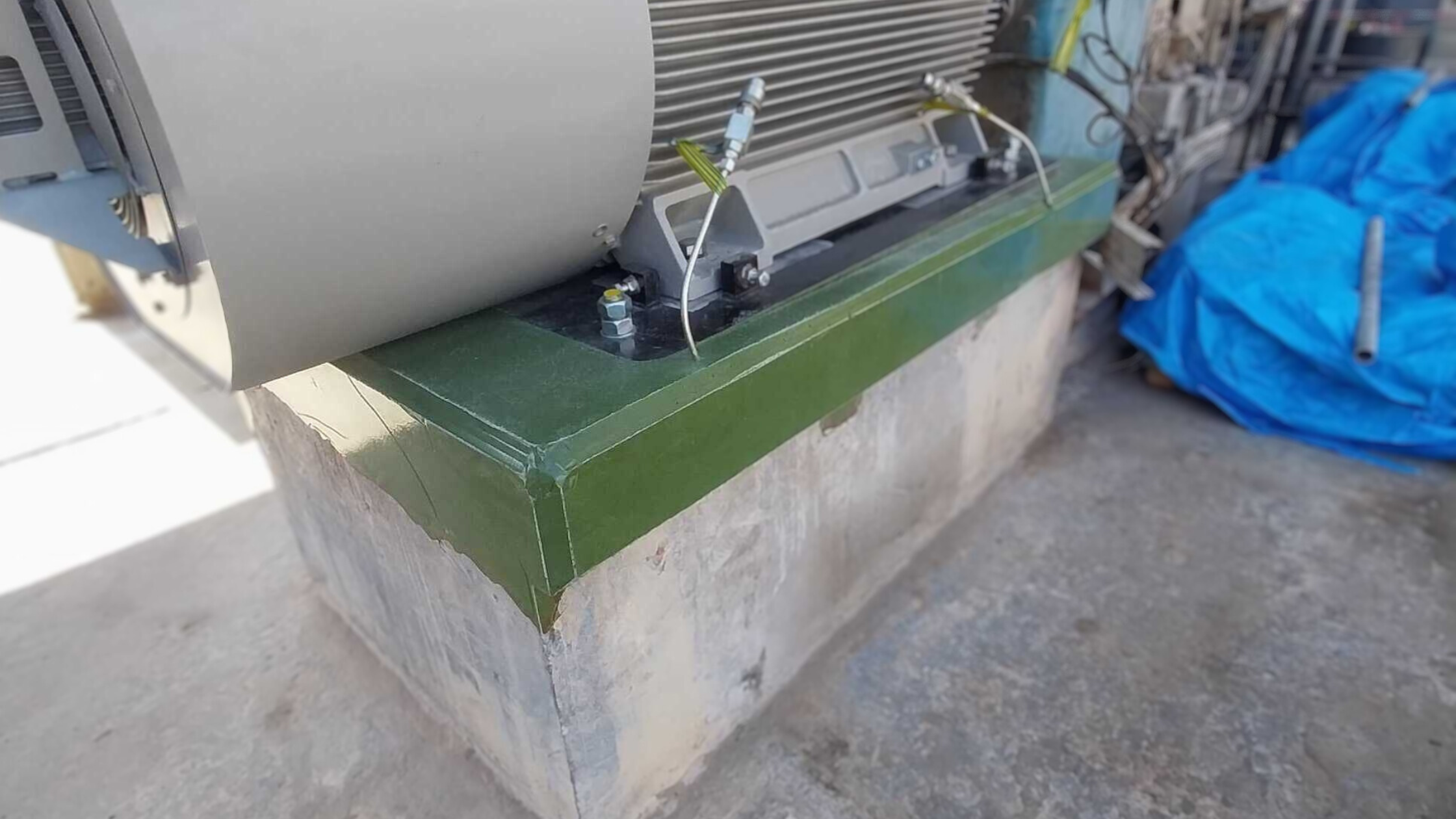
Epoxy grout is a popular material used in construction projects to improve the durability and strength of foundations. Alphatec Engineering has been at the forefront of developing and supplying top-quality epoxy grout solutions for various applications, including high-performance machinery installations, machinery foundation repair, amongst other complex projects.

The benefits of using epoxy grout in construction projects are numerous. Epoxy grout is highly resistant to chemical and mechanical wear and tear, can withstand extreme environmental conditions, and provides excellent bonding strength. Additionally, epoxy grout has a longer lifespan compared to traditional cement grouts, which means that structures and machinery installed with epoxy grout can last longer and require less maintenance.

At Alphatec Engineering, the team of experienced engineers and scientists carefully study the chemical properties of the materials used in their epoxy grout solutions. By using advanced technologies and testing methods, they are able to create epoxy grout solutions that are highly resistant to chemical and mechanical wear and tear, and can withstand extreme environmental conditions.

Alphatec Engineering was recently approached to develop a high temperature epoxy grout. To learn more about their development process and their willingness to collaborate and meet the needs of the clients, check out the whitepaper for the development of AT130.


How Alphatec Engineering’s Epoxy Grout Solutions Ensure Lasting Stability


To maintain the structural integrity of foundations that support heavy machinery, foundation stabilisation is especially critical when issues like cracks arise.

Alphatec Engineering offers a comprehensive range of foundation stabilisation solutions that are designed to improve the safety and reliability of heavy machinery foundations.

Their epoxy grout solutions play a critical role in ensuring lasting stability. By using high-quality epoxy grout, Alphatec Engineering is able to improve the load-bearing capacity of foundations. This not only improves the stability and safety of the structure, but it also helps prevent further damage and costly repairs.

How Alphatec Engineering Sets the Standard for Foundation Stabilization


Alphatec Engineering is committed to providing foundation stabilisation solutions that are based on the latest engineering principles and techniques. Their team of highly qualified engineers work closely with clients to assess the issues, identify the root causes of any foundation problems, and provide effective and long-lasting solutions.

Their foundation stabilisation and rehabilitation techniques are customised to meet the specific needs of each project. They use advanced technologies and materials to create solutions that are highly durable and resistant to wear and tear. Additionally, they continuously research and develop new techniques to improve their foundation stabilisation solutions.

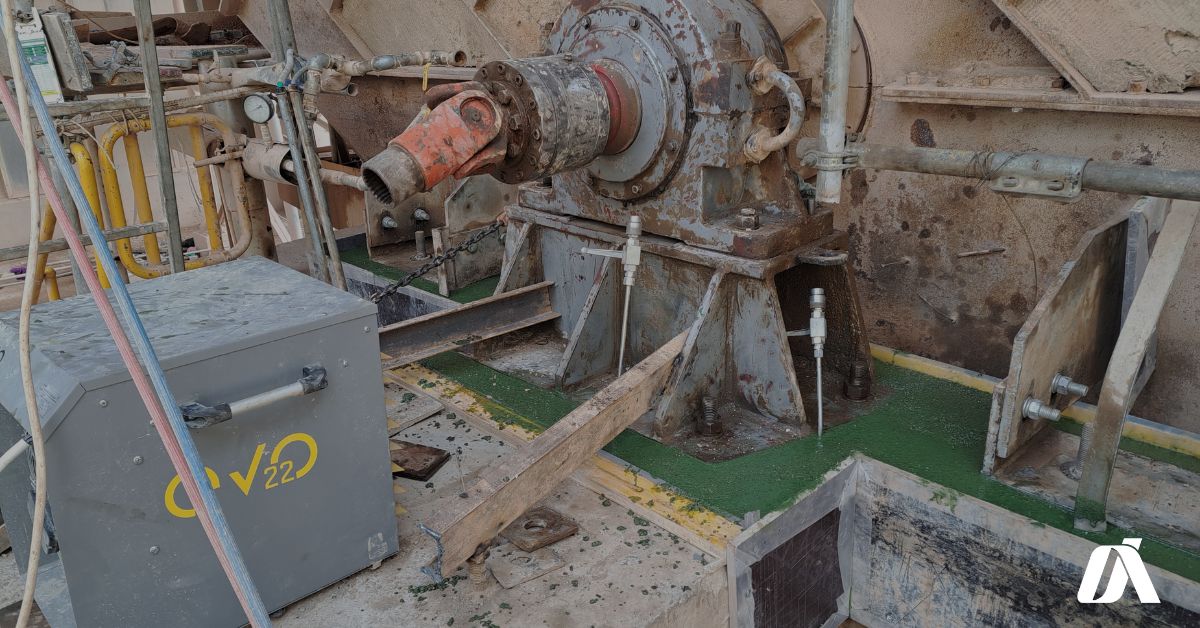
Take a look at this success story to witness Alphatec Engineering’s foundation stabilisation and rehabilitation in action. A mining operation’s grinding mill was facing high vibrations resulting from a deteriorating and poorly designed foundation. This not only impacted mill performance but also had the potential to shut down the mill, resulting in millions of dollars in lost production.


What Makes Alphatec Engineering an Industry Leader


Becoming an industry leader requires meeting several standards. These can include:

  1. Quality: Alphatec Engineering is committed to producing high-quality products and services. The company uses only the best materials and employs rigorous quality control measures to ensure that its products meet the highest standards.
  2. Innovation: Alphatec Engineering is constantly exploring new materials, technologies, and techniques to develop better products and solutions. The company is dedicated to finding innovative ways to solve complex problems.
  3. Customer satisfaction: Alphatec Engineering places a high value on customer satisfaction. The company works closely with its clients to understand their needs and develop customised solutions that meet their specific requirements.
  4. Reputation: Alphatec Engineering has built a strong reputation in the industry. The company is known for its reliability, expertise, and professionalism.
  5. Expertise: Alphatec Engineering has a team of highly skilled and experienced engineers who are experts in their field. The company has a wealth of knowledge and experience in epoxy grout and foundation stabilisation solutions, and is able to provide its clients with expert advice and guidance.

Whether you need a standard product or a custom solution, Alphatec Engineering has the expertise and resources to meet your needs. 


The Impact of Poorly Designed Foundations on Industrial Machinery and Wind Turbines

Wind Turbines and Industrial Machinery

As industrial machinery and wind turbines grow in size and complexity, the importance of proper foundation design becomes increasingly crucial. Poorly designed foundations can lead to a range of problems that impact plant efficiency and safety, leading to costly downtime and repair expenses. 

The Importance of Proper Foundation Design

Proper foundation design is critical to the efficient and safe operation of industrial machinery and wind turbines. The foundation provides the support and stability necessary for the equipment to function correctly

Poor foundation design can lead to a range of issues that can impact plant efficiency and safety, including:

  • Vibration: Poorly designed foundations can lead to excessive vibration, which can damage equipment and reduce efficiency
  • Misalignment: Foundations that are not correctly aligned can cause equipment to shift and become misaligned, leading to downtime and repair expenses
  • Settlement: Poorly designed foundations can settle unevenly, leading to structural damage and safety concerns
  • Cracking: Foundations that are not designed correctly can crack and become unstable, leading to safety concerns and the need for costly repairs

Impact of Foundation Problems on Industrial Machinery and Wind Turbines

Industrial processing plants rely heavily on their foundations to support heavy equipment and machinery. Unfortunately, poorly designed or constructed foundations can lead to significant safety concerns and financial losses.

According to a study by the Concrete Foundations Association, up to 10% of all concrete foundations have some sort of defect, with improper compaction being a leading cause of failure. These defects can lead to issues such as cracking, settling, and uneven floors, which can negatively impact the efficiency and safety of the machinery.

Wind turbines are supported by various types of foundations worldwide. But as turbines become larger, it is crucial that these foundations are appropriately designed and monitored during both construction and operation. Despite this, it is very difficult for operators to monitor, map, or quantify the foundation’s movement patterns and detect potential failure.

In Germany, the inspection of thousands of wind turbine foundations a few years ago revealed that more than 25% of the structures needed remedial measures due to issues such as inappropriate structural detailing or poor construction. 

One example of a foundation failure occurred in Canada, where a 3-MW wind turbine collapsed due to crack propagation caused by design deficiencies. This led to the costly replacement of the foundations for 50 turbines at the same wind farm. 

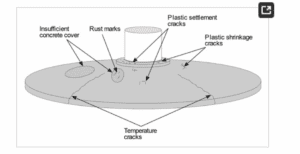
Wind Turbine Foundation Defects

Image source:mdpi.com

Sketch summarising the different types of defects observed and some typical positions of the defects on the foundations (these defects were not all observed on a single foundation but on various foundations).”

Anchor rings embedded in the foundation have also been a frequent problem. These foundation defects or anomalies can affect the durability and serviceability of the turbines, as well as their stability. Addressing these issues proactively is critical, as they have significant economic and safety implications.

The Benefits of Proper Foundation Design

Proper foundation design can help industrial plants and wind turbines avoid the costly downtime and repair expenses associated with poorly designed foundations. Some of the benefits of proper foundation design include:

  • Increased efficiency: Properly designed foundations can reduce vibration and misalignment, leading to improved equipment performance and efficiency
  • Enhanced safety: Properly designed foundations reduce the risk of structural damage and safety concerns
  • Reduced repair costs: Properly designed foundations reduce the need for costly repairs and downtime

Partnering with a Trusted Engineering Firm for Foundation Repair and/or Installation

At Alphatec Engineering, we understand the importance of proper foundation repair and installation for a wide range of industries. Our team of experts has years of experience in providing foundation design services that improve plant efficiency and safety.

Our foundation services include:

  • Field supervision
  • Grout and resin applications
  • Anchor Bolt Repair and Replacement
  • Inspection, Evaluation and Diagnosis
  • Rehabilitation of Concrete Foundations 
  • And more

We utilise the latest technology and techniques to ensure that our foundation repairs and installations are of the highest quality, meeting all safety and efficiency requirements. Contact us today to learn more about how we can help you.